AC Noise Problem Troubleshooting: Stop the Rattle and Hum
Let's be honest. Few things are more annoying than an air conditioner that sounds like a jet engine preparing for takeoff in your living room. You want cool air. You don't want a heavy metal concert. Let's fix that.
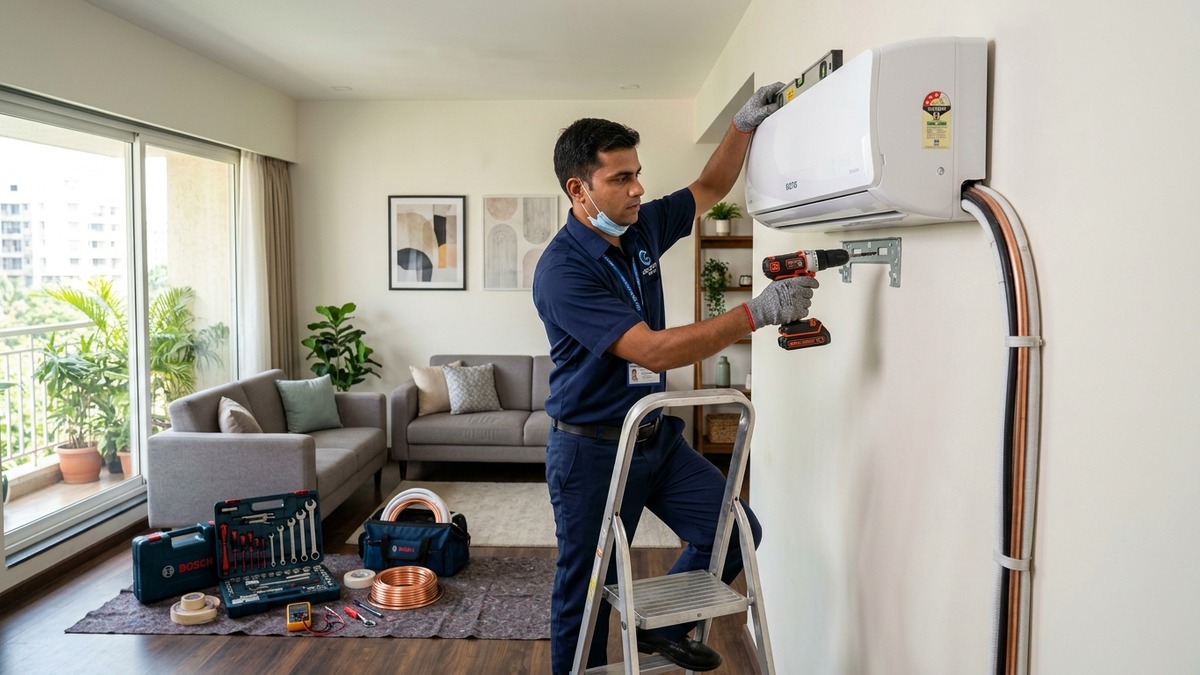
When we look back at the early days of climate control, the machinery was bulky, unrefined, and loud. The rudimentary systems of the past often traded acoustic comfort for basic cooling power. Today, you shouldn't have to make that compromise. Modern air conditioning systems are designed to operate quietly. If yours is throwing a tantrum, something is wrong. We noticed that most homeowners ignore the initial clicks and buzzes. Big mistake. AC noises are warning signs. They tell you exactly what part is failing before it completely dies on the hottest day of the year. This guide walks you through complete AC noise problem troubleshooting. We'll find out what that sound means and how to shut it up.
This isn't just about preserving your sanity, though that's certainly a big part of it. A loud AC usually means an inefficient AC. Extra noise means friction, vibration, and wasted energy. When parts grind or shake violently, they pull more amps from your electrical panel, causing your power bill to creep up. By diagnosing and treating the root cause of these annoying sounds, you are proactively extending the life of your entire HVAC system. So, grab a flashlight, maybe a screwdriver, and let's head outside to figure out what your machine is trying to tell you.
The Sound Dictionary: What Your AC is Trying to Tell You
You don't need a mechanical engineering degree to understand your AC. You just need to listen. Different components make different noises when they fail. Here is a quick reference guide to help you identify the culprit.
| The Sound | Likely Culprit | Severity level | Action Required |
|---|---|---|---|
| Rattling or Clanking | Loose panels, debris, failing compressor | Moderate | Inspect exterior unit |
| Squealing or Screeching | Worn fan belt or bad fan motor bearings | High | Turn off and replace parts |
| Buzzing | Electrical issue (contactor/capacitor), loose parts | High | Check capacitor, tighten screws |
| Hissing | Refrigerant leak or compressor valve leak | Urgent | Call a professional |
| Clicking | Thermostat issue or failing relay | Moderate | Test thermostat |
1. The Rattling AC: Loose Panels and Debris
Rattling is the most common complaint. Thankfully, it's also usually the easiest to fix. If your outside condenser unit sounds like a can of rocks being shaken, start with the obvious.
Over time, the constant vibration of the AC unit can loosen the screws holding the exterior panels together. Grab a screwdriver. Walk around the unit and tighten every screw you see. It sounds too simple to work, but we fix about 30% of rattling complaints this way. The panels on your condenser are essentially large sheets of thin metal. When they aren't screwed down tight, the vibration from the compressor causes them to slap against the metal framing. This creates a very loud, metallic rattling noise that echoes through your yard.
You might also want to check the fan guard on top of the unit. This is the wire mesh or slotted metal cover that keeps fingers and debris away from the spinning fan blade. If the screws holding the guard are loose, the entire guard can rattle against the top of the cabinet. Use a nut driver to snug them down. But be careful not to overtighten and strip the threads out of the sheet metal.
If tightening the panels doesn't work, look inside. Twigs, leaves, acorns, and even small rocks can fall into the top vent. When the fan turns on, it kicks this debris around. Turn off the power at the breaker, remove the top grill, and clear out the junk. You might be surprised at what you find in there. I've pulled out everything from baseballs to dead frogs. Anything solid bouncing around in the metal cabinet will sound terrible. If you're tired of picking leaves out of your condenser, consider grabbing an AC mesh top cover to keep the heavy debris out.
2. Squealing and Grinding: Fan Motor Bearings
Does your AC sound like metal grinding on metal? That's a bad sign. A high-pitched squeal or a harsh grinding noise usually points straight to the fan motor.
Older AC units use a belt-driven fan. If the belt slips or wears out, it squeals like a car with a bad alternator. Replacing the belt is cheap and easy. But to be honest, if your unit still has a belt-driven fan, it might belong in a museum.
However, most modern units use direct-drive motors. If a direct-drive motor is squealing or grinding, the fan motor bearings are likely shot. The bearings are supposed to keep the motor spinning smoothly. When the lubrication dries up or dirt gets in, the bearings fail. Metal rubs on metal. The motor overheats. Eventually, it burns out completely. The sound usually starts as a high-pitched whine or squeal when the fan first starts up. Over a few weeks, as the bearings degrade further, the sound turns into a rough, low-pitched grinding or growling noise.
Can you lubricate them? Sometimes. If the motor has oil ports (usually small holes covered by yellow or red plastic caps), you can add a few drops of SAE 20 non-detergent motor oil (do not use WD-40, it will strip away what little heavy grease is left). But if the bearings are already grinding, the damage is usually done. You'll likely need to replace the entire condenser fan motor. If you decide to tackle this yourself, make sure you match the horsepower, RPM, and voltage exactly. You can find replacement universal fan motors fairly easily.
Replacing a fan motor isn't terribly complicated for an experienced DIYer. First, pull the disconnect block to cut the high voltage power. Then discharge the capacitor with an insulated screwdriver. Remove the fan guard and motor assembly from the top of the unit. Loosen the set screw on the fan blade hub and slide the blade off the old motor shaft. This is usually the hardest part, as the blade often seizes onto the shaft due to rust. You might need a specialized puller tool. Once the blade is off, swap the motor, wire it up according to the diagram on the new motor, and put it all back together. Ensure the fan blade is positioned at the correct depth within the fan shroud for optimal airflow.
3. The Heavy Vibration: Compressor Mounting Pads
Here is a scenario we see all the time. The AC turns on. The whole house seems to hum. The wall nearest the exterior unit vibrates. You go outside, and the unit is shaking violently.
The compressor inside the outdoor unit is a heavy, powerful piece of machinery. When it runs, it vibrates. To prevent this vibration from shaking the entire unit apart, the compressor sits on thick rubber feet called compressor mounting pads (or vibration isolators). These are essentially the shock absorbers for the heart of your AC system.
Over years of exposure to heat, cold, and constant pressure, these rubber pads harden, crack, and disintegrate. When the pads fail, the heavy metal compressor rests directly on the metal base pan of the unit. The result? A massive increase in noise and vibration. The vibration travels from the compressor, into the chassis of the unit, and sometimes right into the copper refrigerant lines that run into your house. That's why a bad set of pads can make the drywall in your living room hum.
Replacing the compressor mounting pads isn't a complex job, but it requires lifting the heavy compressor slightly. You'll need to turn off the power, open the unit, remove the nuts holding the compressor down to the mounting studs, and pry the compressor up just enough to slide new rubber pads underneath. You can buy heavy-duty vibration isolation pads online for a few dollars. It's an incredibly cheap fix that makes a massive difference in noise levels.
While you're looking at vibrations, check the pad the entire condenser unit sits on. If the plastic or concrete pad has sunk on one side, the unit isn't level. An unlevel AC unit will vibrate more and wear out the compressor faster. Leveling the pad and adding anti-vibration feet under the corners of the condenser can work wonders. These are thick, ribbed rubber squares that go between the bottom of the AC and the concrete pad. They stop the unit from rattling against the concrete.
4. The Loud Buzzing: Electrical Gremlins
Buzzing noises are tricky. Sometimes a buzz is just a loose part vibrating sympathetically with the compressor. But often, buzzing means an electrical component is struggling.
The most common electrical buzz comes from the contactor. The contactor is a heavy-duty relay that switches the high voltage power to the compressor on and off. As it ages, the magnetic coil inside can weaken, or the metal contacts can get pitted and burned from the electrical arcing that happens every time it closes. When this happens, the contactor chatters or buzzes loudly while trying to hold the connection closed. A buzzing contactor is a failing contactor. Replace it before it welds itself shut (which will cause your AC to run continuously until it freezes into a solid block of ice).
A failing capacitor can also cause a buzzing or humming sound, usually accompanied by a fan that won't start spinning. If the condenser fan isn't moving, but the unit is humming, turn it off immediately. The capacitor gives the motor the jolt of energy it needs to start. If it's dead, the motor just sits there, humming and getting dangerously hot. Replacing a dual run capacitor is a very common DIY fix. Always discharge a capacitor before handling it, as it can hold a lethal charge even after the power is turned off. Use an insulated screwdriver to short across the terminals. Once discharged, simply swap the wires wire-for-wire onto a new capacitor with matching microfarad (µF) and voltage ratings.
Sometimes a buzzing noise is originating from inside the house, near the air handler or furnace. This is often a transformer humming. Transformers step down the 120V line voltage to the 24V used by the thermostat circuit. A slight hum is normal for a transformer, but a loud buzz means the laminations inside are coming loose or it's being overloaded.
5. Hissing and Bubbling: The Sound of Danger
If your AC sounds like a snake, back away. A hissing or bubbling sound usually indicates a refrigerant leak.
Refrigerant (like R-410A) is under high pressure. If there's a crack in the copper lines or the evaporator coil, the escaping gas makes a loud hissing noise. If the leak is severe enough, you might even see a cloud of vapor or oil residue around the leaking area. This isn't a DIY fix. It is illegal to intentionally vent refrigerant into the atmosphere. You need a licensed EPA-certified technician to find the leak, braze it shut, and recharge the system with a vacuum pump and refrigerant scale.
A different kind of hissing can come from the compressor itself. If the internal valves in the compressor fail, refrigerant can leak backwards through the system when the unit shuts off, causing a brief hissing or whistling sound. If this is the case, the compressor is dying. Start saving for a replacement.
You might also hear bubbling or gurgling sounds coming from the refrigerant lines. This often means there is air or non-condensables trapped in the system, usually due to a poor installation where the lines weren't vacuumed down properly. It can also happen if the system is extremely low on refrigerant, causing liquid and gas to mix irregularly in the lines. Either way, it's a performance killer and needs professional attention.
6. The Sound Blanket Solution
What if you've checked everything? The panels are tight. The fan motor is new. The mounting pads are fresh. But the compressor itself is just inherently loud. Some older or lower-tier compressors are just noisy by nature. Scroll compressors are generally quieter than reciprocating compressors, but they all make some level of noise.
If you want to quiet down a healthy but noisy compressor, you need an acoustic wrap. A compressor sound blanket is a thick, insulated wrap designed specifically to fit around the compressor barrel. It acts as a muffler, absorbing the high-frequency clicking and mechanical noise. They are made of heavy, dense materials like fiberglass and mass-loaded vinyl, covered in a tough, weather-resistant outer shell.
Are they safe? Yes. Compressors are cooled by the suction gas returning to them, not by the ambient air around them. A sound blanket will not cause the compressor to overheat. In fact, many high-end AC units come with sound blankets pre-installed from the factory. Installing one takes about 15 minutes. You just wrap it around the compressor, secure the velcro straps, and put the top of the unit back on. It can reduce the noise level by up to 5 decibels (which is a very noticeable difference to the human ear, as decibels are on a logarithmic scale).
7. Whistling from the Vents
So far we've focused on the outdoor unit, but indoor noises can be just as annoying. A high-pitched whistling coming from your supply or return vents is a classic sign of airflow restriction or high static pressure.
The blower motor in your indoor air handler pushes a massive volume of air. If that air has to squeeze through a tiny gap, it creates a whistle, just like pursing your lips. The number one culprit? A dirty air filter. A clogged filter creates a massive pressure drop. The blower motor works harder, creating a vacuum that pulls air through any tiny crack around the filter housing, resulting in a loud whistle. Check your filter first. If it looks like a sweater, replace it.
If the filter is clean, check your room vents. Closing too many supply vents (registers) in unused rooms increases the air pressure in the ductwork. The excess air is forced out of the remaining open vents at a high velocity, causing whistling. Keep at least 80% of your vents fully open at all times to maintain proper airflow. If the whistling persists, you might have disconnected or poorly sealed ductwork in your attic or crawlspace. Leaky ducts waste a ton of energy and need to be sealed with mastic or foil tape.
Frequently Asked Questions
Why does my AC make a loud banging noise when it turns off?
This is often called a "hard shut off." The compressor mounts might be worn out, or the internal springs suspending the compressor motor might be broken. It can also be caused by refrigerant equalizing too rapidly. If the external mounting pads are fine, you likely need a professional assessment.
Can a dirty filter make my AC loud?
Yes. A severely clogged air filter starves the blower motor of air. The motor has to work much harder to pull air through the restriction, which can cause a loud humming or whining noise from the indoor air handler unit. It can also cause a whistling sound at the return grille.
How much does it cost to replace AC fan motor bearings?
Usually, HVAC technicians do not replace just the bearings on modern sealed residential fan motors. The labor cost to tear down the motor is higher than the cost of a new motor. Expect to pay $300 to $600 to have a professional replace the entire condenser fan motor.
Is it safe to run my AC if it's rattling?
It depends on the cause. If it's just a loose panel, yes. But if a fan blade is loose and hitting the cage, or if a failing motor is shaking the unit, running it will cause catastrophic damage. It's always best to turn it off until you identify the source of the noise.
Do compressor sound blankets actually work?
Yes, they are highly effective at dampening the higher-frequency mechanical chatter and buzzing of the compressor. They typically reduce the perceived noise level by about 40%. However, they won't fix a loud fan motor or a rattling cabinet. Make sure you buy one designed specifically for your compressor style (scroll or reciprocating).
Why is my indoor AC vent whistling?
A whistling return or supply vent usually means you have a pressure imbalance or a restriction in airflow. Make sure your filter is clean and all room vents are fully open. It can also indicate a leak in your ductwork where air is escaping at high velocity.
What does a bad AC capacitor sound like?
A bad capacitor doesn't make a sound itself, but it causes the components it supports to make noise. The most common symptom of a bad capacitor is a loud, continuous humming or buzzing from the outdoor unit, accompanied by a fan that refuses to spin and a compressor that won't start.