LG vs Daikin AC Comparison: The Ultimate Showdown for 2026
You are sweating through another brutal summer. You need a new AC. You have narrowed it down to two absolute giants: LG and Daikin. Let's settle this debate once and for all.
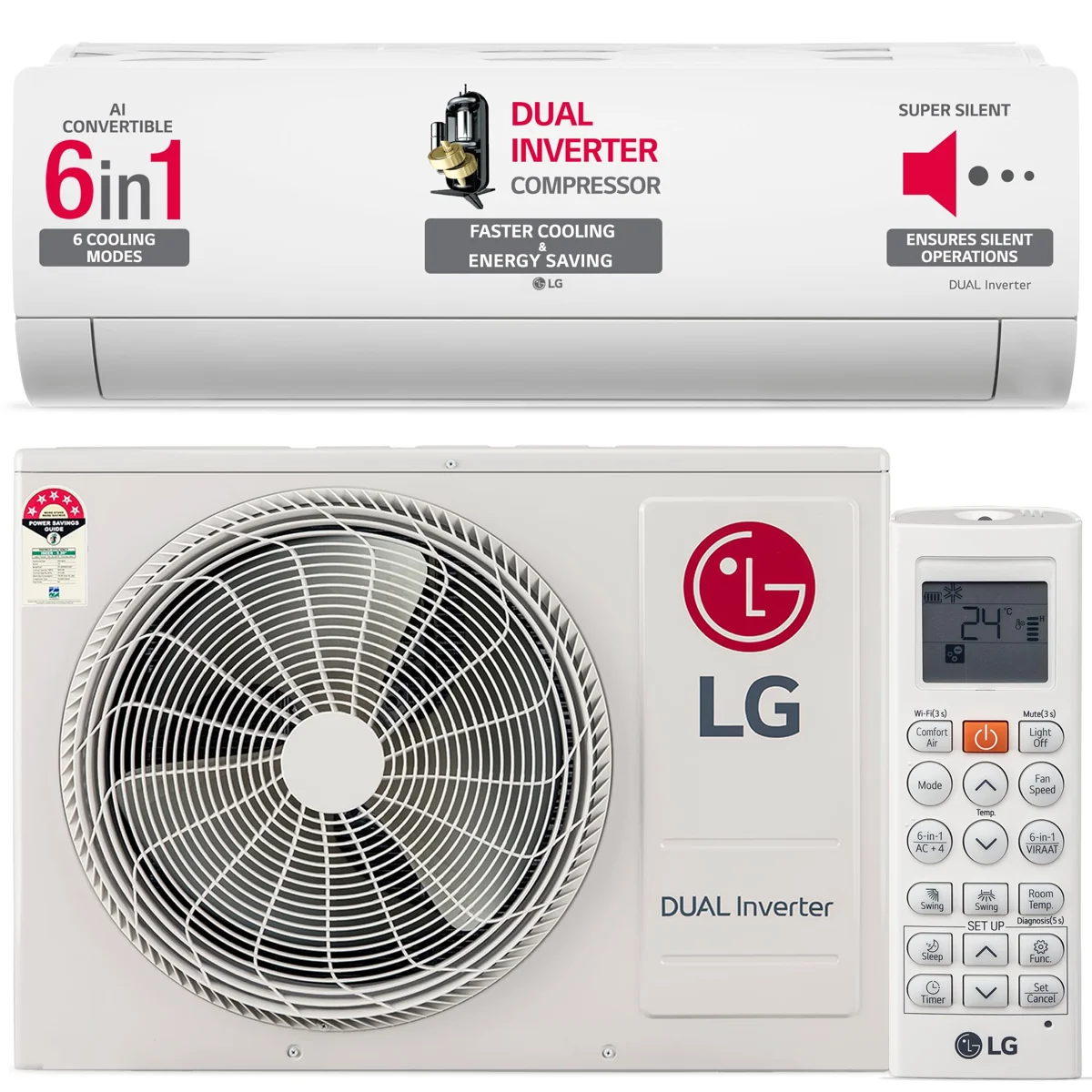
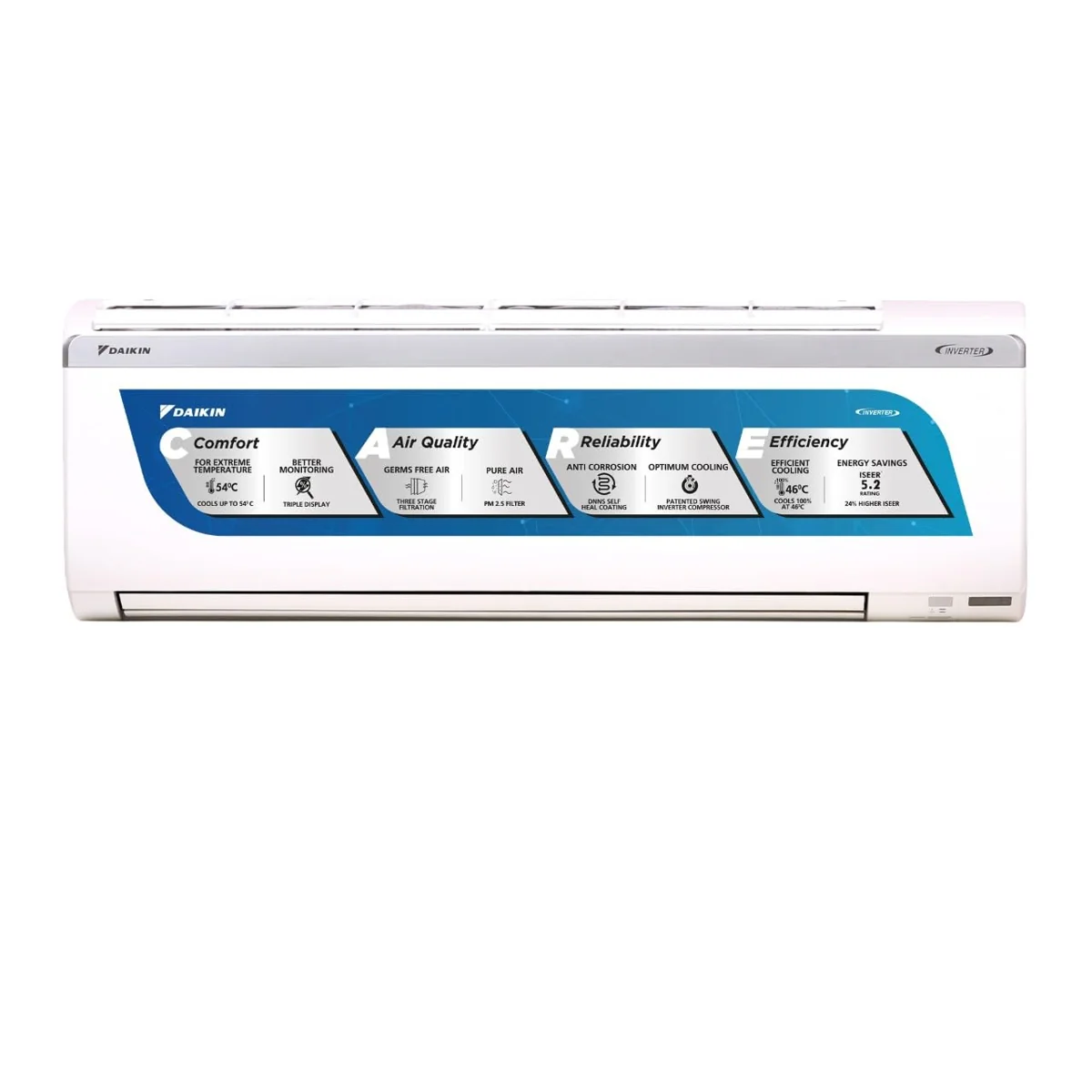
When you strip away the marketing jargon, an air conditioner is fundamentally a heat pump. But the way it moves that heat defines your summer. We noticed that choosing between LG and Daikin usually splits buyers into two camps. The tech lovers run toward LG. The durability purists stick with Daikin.
I've spent years testing, ripping apart, and analyzing HVAC units. To be honest, neither brand is "bad." If they were, they wouldn't be dominating the market in 2026. But they are vastly different machines designed with entirely different engineering philosophies. You don't want a generic recommendation. You want to know which one fits your specific home, your specific climate, and your specific tolerance for maintenance.
LG builds appliances that feel like gadgets. They are smart, heavily optimized for energy savings, and look fantastic on a wall. Daikin builds air conditioners. Full stop. They are a dedicated HVAC company, and their machines are built like tanks.
At a Glance: The 2026 Data
Let's look at the numbers. Here is a high-level comparison of what you get when you unbox one of these units today.
| Feature Area | LG Air Conditioners | Daikin Air Conditioners |
|---|---|---|
| Core Compressor | AI Dual Inverter | Neo Swing Compressor |
| Cooling Style | Rapid, tech-assisted cooling | Steady, consistent Coanda airflow |
| Smart Connectivity | Exceptional (ThinQ App standard) | Basic (Mostly IR remote) |
| Expected Lifespan | 9 - 11 years | 12 - 15+ years |
| Pricing Strategy | Aggressive, high value | Premium, long-term investment |
Want to check current pricing? See the latest LG ACs on Amazon or browse the top Daikin AC models.
The Core Tech: LG's AI Dual Inverter vs. Daikin's Swing Compressor
This is where the real fight happens. The compressor is the heart of any air conditioner. If the compressor is weak, the whole unit is trash. Both LG and Daikin use highly proprietary, vastly different tech here.
Breaking Down LG’s AI Dual Inverter
LG threw out the old playbook and went all-in on dual rotary inverters. Standard inverters use a single rotary mechanism. It works, but it can vibrate, which causes noise and wear. LG put two rotors in the compressor that spin in opposite directions. This cancels out the vibration.
The result? It is eerily quiet. And because it doesn't waste energy shaking itself to death, it spins faster. This means an LG unit can drop the temperature in a room incredibly fast. We've seen LG units take a 90-degree room down to 72 degrees in minutes.
For 2026, LG slapped AI on top of it. I know, AI is everywhere. But here, it actually does something useful. The AC monitors room occupancy, outside temperature, and your historical usage patterns. It actively throttles the compressor up and down to maintain comfort while sipping electricity. It's brilliant engineering.
Daikin’s Patented Swing Compressor
Daikin doesn't care about flashy terms. They care about physics. They use a patented Neo Swing Compressor.
Most rotary compressors have a tiny gap where refrigerant gas can leak back during the compression cycle. It's a tiny loss of efficiency, but it adds up. Daikin redesigned the internal mechanism so the moving parts are a single, continuous piece. No gap. No gas leak. Zero friction in that specific joint.
This makes the Daikin compressor absurdly durable. It operates with a smooth, relentless consistency. It might not blast out freezing air quite as aggressively as LG in the first five minutes. But it will maintain your room at exactly 72 degrees for the next 15 years without breaking a sweat. It is industrial-grade reliability scaled down for your bedroom.
LG Dual Rotary Mechanism
Two compression chambers operating 180° out of phase. Eliminates centrifugal torque vibration, enabling ultra-fast RPM acceleration for rapid 30-minute room cooling.
Daikin Swing Piston Mechanism
Blade and roller are unified into a single solid piece. Completely eliminates internal mechanical friction and metal-on-metal rubbing, preventing gas refrigerant leakage over decades.
Cooling Performance in Extreme Heat
If you live somewhere that hits 115°F in July, you don't care about smart apps. You care about survival.
LG units excel at instant gratification. You walk in sweating, hit the power button, and you are hit with a wall of cold air. They often feature 4-way swing mechanisms that aggressively push air into every corner of the room. It feels very active.
Daikin takes a different approach with its Coanda airflow. Instead of blasting you directly, the louvers point up. The cold air rides along the ceiling and then falls gently across the room. It creates a completely uniform temperature drop without creating cold drafts. It feels natural.
Under extreme load (think 120°F ambient temperature), Daikin usually holds up slightly better. Their outdoor condensing units are notoriously oversized and over-engineered. They dissipate heat extremely well, meaning the compressor doesn't trip even when the asphalt outside is melting.
Energy Efficiency and Your Power Bill
Electricity isn't getting cheaper. Both of these brands will save you money compared to a 10-year-old window unit. But they achieve efficiency differently.
LG is usually the king of ISEER ratings. Their top-tier models consistently hit 5-star ratings with incredible efficiency metrics. The dual inverter can ramp down to practically nothing, drawing minimal wattage once the room is cooled. If your goal is the absolute lowest power bill every month, a high-end LG is hard to beat. You can compare prices on LG 5-Star models here.
Daikin is highly efficient too, mostly because the swing compressor has practically zero internal friction. However, Daikin doesn't usually play the "spec sheet war" as aggressively as LG. A Daikin will give you excellent, reliable efficiency year after year. LG might save you a few more bucks on paper, but Daikin's lack of mechanical wear means it stays efficient as it ages.
Build Quality and Long-Term Durability
This is the section that usually makes people decide.
Daikin’s AC-First Engineering
Daikin only makes HVAC equipment. They don't make TVs. They don't make phones. They eat, sleep, and breathe air conditioning.
When you take the cover off a Daikin outdoor unit, it looks different. The copper piping is thicker. The fins are sturdier. The compressor casing is heavier. They are built for abuse. It is very common to see Daikin units running perfectly after 12, 14, or even 15 years with minimal maintenance. If longevity is your primary concern, buy a Daikin. It's that simple.
LG’s Ocean Black Fin
LG knows they have a reputation for building consumer electronics, so they've stepped up their durability game massively.
Their big feature is the Ocean Black Fin protection. It's a specialized coating on the heat exchanger that is exceptionally good at resisting corrosion. If you live near the ocean, or in a heavily polluted city with acidic rain, this coating is a lifesaver. It prevents the copper from rotting out.
That said, LG units are packed with sensors, circuit boards, and smart chips. More features mean more potential points of failure over a decade. An LG unit will likely last you 9 to 11 years, but you might need a minor sensor replacement along the way.
Smart Features and Modern Convenience
Let's be blunt. Daikin is miles behind LG in smart tech.
LG's ThinQ app is an absolute joy to use. You can turn on your AC while you are leaving the office. You can monitor exactly how many kilowatts of electricity it used yesterday. You can set complex geofencing routines so it shuts off when your phone leaves the house. You can run self-diagnostics directly from the app. It connects seamlessly to Alexa and Google Home. If you are building a smart home, LG is the only logical choice.
Daikin gives you a remote. It's a nice remote. It works every single time you press a button. Some premium Daikin models offer Wi-Fi, but their app interface feels like it was designed a decade ago. Daikin assumes you just want the room cold, and they don't care if you can tweet your thermostat.
Service and Maintenance Network
You can buy the best AC in the world, but if the local service guy doesn't know how to fix it, you are out of luck.
LG has massive service networks almost everywhere because they sell so many different appliances. Parts are usually cheap and readily available. Most technicians know how to work on an LG because they see them every day.
Daikin is slightly more specialized. While they have excellent service networks in major cities, finding a certified Daikin tech in a rural area might take an extra day. However, Daikin's warranty support is notoriously rigid but fair. Because their units break down less frequently, you hopefully won't have to interact with their service network very often anyway.
Price and Value for Money
LG generally wins on upfront value. They price their units aggressively. You get a ton of features, incredible efficiency, and a great design for a very reasonable price.
Daikin charges a premium. You are paying for the engineering, the swing compressor, and the badge. It's an investment. You pay more on day one, but you likely save money in years 10 through 15 when the LG might need replacing.
The Final Verdict: Which should you buy?
Buy an LG if you love tech. If you want the lowest possible power bill, a beautiful app, fast cooling, and you tend to upgrade your appliances every 10 years anyway, LG is the winner.
Buy a Daikin if you hate buying things twice. If you want a machine that will sit on your wall for 15 years, quietly and reliably keeping you comfortable without any fuss, Daikin is unmatched.
Frequently Asked Questions
1. Which brand is quieter, LG or Daikin?
Both are incredibly quiet due to their advanced compressors. However, LG's Dual Inverter often edges out Daikin on the lowest fan settings, producing a near-silent hum. Daikin is also quiet, but focuses more on smooth airflow sounds.
2. Does Daikin consume more electricity than LG?
Generally, no. Both have high-efficiency models. LG might perform slightly better on standardized lab tests for ISEER ratings, giving it a tiny edge on paper, but in real-world usage, the difference in your monthly bill will be negligible.
3. Is LG's AI Dual Inverter a gimmick?
Not at all. The dual rotary mechanism actually solves the physical problem of vibration in standard compressors. The AI software layer effectively manages power draw. It's legitimate engineering that results in faster cooling and lower power usage.
4. Can I control a Daikin AC with my smartphone?
Yes, but usually only on their premium models, or by purchasing an additional Wi-Fi module. Even then, the software experience is clunky compared to LG's highly polished ThinQ app.
5. Why are Daikin ACs more expensive?
You are paying for heavier-duty internal components. Daikin uses thicker copper coils, more robust casing, and their patented Swing Compressor, which has zero friction points. It costs more to manufacture this level of durability.
6. Which one is better for coastal areas?
LG is highly recommended for coastal areas due to their Ocean Black Fin technology. It provides superior resistance to salt and humidity corrosion. Daikin has anti-corrosion treatments as well, but LG's proprietary coating is widely considered the industry standard for tough environments.